



Why Does My Shower Drain Keep Clogging?
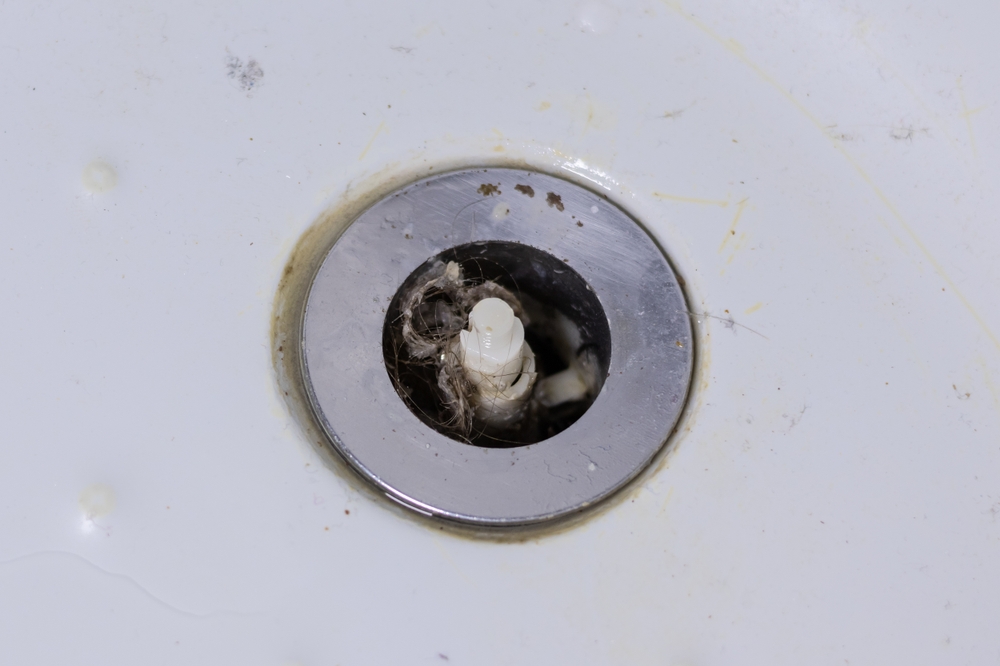
Living in Northwest Florida means lots of visits to our beautiful beaches and returning home to a nice, long shower to rinse the salt from your hair and the sand off your feet. When your shower drain is clogged, standing in ankle-deep water is never fun, and a clog that keeps coming back usually means the real problem is much deeper or more complex than it seems. If your shower drain keeps clogging, the experienced team at Tru Plumbing and Gas has some insight into why this might occur, how to clean your shower drain and prevent it from clogging in the future, and when to call us for help.
The Most Common Reasons Your Shower Drain Keeps Clogging
Homeowners in the Florida Panhandle might wonder, why does my shower drain keep clogging? This issue is usually due to one of the following common reasons:
- Hair and soap scum binding together: Every time you shower, strands of hair that rinse down the drain bind with soap scum and start to build up over time, leading to a hidden clog that causes serious backups.
- Hard water mineral buildup narrowing the pipe: Hard water buildup in your pipes from minerals like calcium and magnesium starts to accumulate and begins to narrow the opening inside the pipe, leading to a clogged drain.
- Shampoo, conditioner, and body oil residue: Residue from toiletries like body wash, shampoo, conditioner, and even body oil may eventually cause a clogged or slow shower drain.
- Small objects: Everything from tiny parts from kids’ toys and razor covers to bottle caps can accidentally get rinsed down the drain, resulting in a serious clog.
- A partial clog that was never fully cleared: If you already had a previous clog in your shower that was only partially cleared, it can easily return and cause a new, fully clogged shower drain later.
- Venting problems: A blocked or improperly placed vent keeps air from getting into the drainage system, which prevents the water from flowing smoothly and creates a vacuum that may cause a clog.
- Improper pipe slope: When the shower pipe isn’t sloped at the correct angle, water can move too slowly, allowing debris to settle at the bottom instead of washing away, creating a blockage in the drain.
- A main sewer line issue: If several of your drains, including the shower, are clogged at once, you may have a major blockage in the main sewer line.
Why Store-Bought Drain Cleaners Make Repeat Clogs Worse
You might assume that using a store-bought drain cleaner can help to remove things like a hair clog in your shower drain, but pouring these products down the drain can actually make repeat clogs worse. Most drain cleaners that you buy at the store contain harsh chemicals that only burn a channel through the clog and don’t actually remove it. Grease, scale, and other debris remain and line the walls inside your pipes, allowing new hair, soap scum, and other items to cling to the sides, which creates an even worse clog.
Drain cleaners that contain chemicals like sulfuric acid or sodium hydroxide can eat away and damage older pipes made of materials like cast iron or galvanized steel. These chemicals can also create a chemical reaction inside the pipe that generates high heat, which may warp, crack, or soften newer PVC and ABS plastic pipes or destroy the seals.
Safe DIY Steps to Clear a Slow Shower Drain
Depending on the location and severity of the clog, you may be able to clear it yourself. Follow these DIY steps to unclog your shower drain safely:
- Step one: Gently remove the plate or strainer over the drain, rinse it with clean water, and set it aside.
- Step two: Use a plastic drain snake and gently push it into the drain until you feel light resistance, gently twist or wiggle it a few times, then slowly pull it back up straight out of the drain.
- Step three: If it’s a mild clog, you can try pouring some boiling water down the drain to see if that helps, but be careful if you have plastic or PVC pipes, as it may crack them or damage the rubber seals.
- Step four: Instead of chemicals or boiling water, try mixing some baking soda and white vinegar and pouring that down your drain to remove a minor clog, then repeat this once every week or two as part of light routine maintenance.
- Step five: After using the drain snake and trying some boiling water or baking soda/vinegar, secure the drain cover back in place.
How to Prevent Shower Drain Clogs
Fortunately, there are things you can do to try and prevent frustrating shower drain clogs, including:
- Place a hair catcher over the drain to snag loose hair before it gets rinsed into your pipes, and brush your hair before getting into the shower.
- Clean the strainer or grate over the drain every week to reduce soap scum buildup.
- Try a hot or boiling water flush or use the baking soda and white vinegar combo once per month to dissolve residue inside the drain.
- If you have hard water, consider installing a whole-home water softener or a filtration system to reduce mineral buildup.
- Use liquid soap or shower gel instead of bar soap, which contains fats and hard talc that can create stubborn buildup inside pipe walls.
- Remove the drain cover every few weeks and use gloves to manually remove any hair or buildup sitting near the surface.
- Schedule routine maintenance to help prevent future clogs, or schedule professional drain cleaning in Niceville, FL, if you have a severe existing clog.
Signs It’s Time to Call a Plumber
If your shower drain is clogged, here’s when to contact the experienced plumbers at Tru Plumbing for help:
- You tried some DIY removal methods, but the clog returns within weeks.
- A strong sewer smell is coming from your drain(s).
- Multiple drains inside your home are slow or clogged at the same time.
- You hear strange gurgling or bubbling noises whenever you flush the toilet or take a shower.
- Water backs up into the tub when other fixtures run.
How a Plumber Fixes Recurring Shower Drain Clogs
Experienced plumbers use specialized tools and techniques to effectively remove recurring shower drain clogs. If the clog is impacting more than one drain, plumbers may provide a sewer drain camera inspection first to verify whether it’s in the sewer line and to identify the exact location and cause of the blockage. Once the blockage is found, professional drain cleaning methods are used to remove it.
If the clog is in your sewer pipes or deep inside your plumbing, hydro jetting is an excellent way to remove it and prevent future clogs. This professional drain clearing method uses jets of water at extremely high pressure to blast hair, soap scum, minerals, and other debris out of your pipes while scouring the walls to make recurring clogs a thing of the past.
Contact Tru Plumbing and Gas Today!
If the shower drain in your Northwest Florida home keeps clogging, count on the professionals at Tru Plumbing and Gas to make it right. We’re available for reliable drain clearing, hydro jetting, and more to restore water flow fast so you can get back to enjoying your shower again. To schedule a sewer camera inspection or our drain clearing services, contact us today!
Frequently Asked Questions
What is the most common cause of a clogged shower drain?
Shed hair combined with soap scum and other residue is the most common cause of a clogged shower drain. This buildup not only clogs the drain itself, but it also narrows pipe walls and creates a sticky coating that traps even more debris every time you shower.
Can hard water cause drain clogs?
Yes, hard water can cause drain clogs in the shower, tubs, and sinks in your home. Scale and mineral buildup accumulate inside the pipes and narrow the opening, which makes it more difficult for water to flow freely through the plumbing and down the drain.
Why does my shower drain back up when I flush the toilet or run the washer?
If your shower drain backs up when you flush the toilet or run appliances like the dishwasher and washing machine, your main sewer or drain line is likely clogged. This type of clog forces air and wastewater to find the easiest place to escape, which is usually the shower since it tends to be the lowest fixture in your plumbing system.
Author Info

