
.png)

.png)

Tank vs Tankless Water Heaters: What Works Best for Florida Homes?
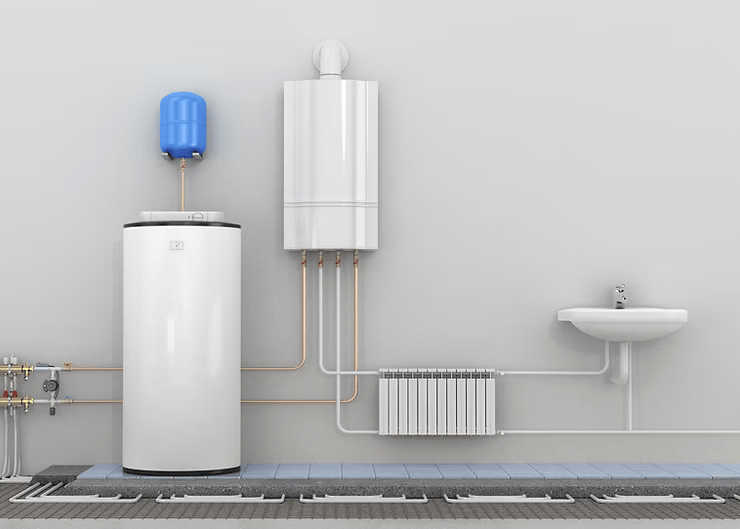
Florida’s hard water and humid, subtropical climate can affect your water heater’s performance. If you’re thinking about an upgrade, choosing between traditional water heaters or tankless water heaters is probably on your mind. Both water heater styles provide hot water, but they operate very differently, and the right choice depends on factors like your household size, usage habits, installation costs, and long-term efficiency.
Florida homeowners often consider tankless water heaters because of their energy savings and space efficiency, but both systems can work well depending on the situation. The team at Tru Plumbing and Gas has some helpful insight about each option to help you determine which one might work best for you.
How Traditional Tank Water Heaters Work
Traditional, tank-style water heaters store around 30 to 80 gallons of heated water. The stored water reheats whenever the unit is in use. Because they’ve been around for so long, they’re the most common systems used in U.S. homes.
Benefits of tank water heaters
There are many benefits of using a tank water heater, including:
- They have a lower upfront cost than tankless models.
- Tank water heaters are simple to install.
- These systems provide reliable hot water for moderate use.
- A tank water heater is easy to replace when upgrading an older system.
Limitations
As you compare a tank vs. a tankless water heater, it’s important to note a few tank water heater limitations:
- Because the water is stored, there’s a limited hot water supply.
- Tank water heaters have a higher standby energy loss.
- The storage tank has a larger physical footprint.
- These systems have a shorter lifespan compared to tankless units.
How Tankless Water Heaters Work
A tankless water heater heats water on demand instead of storing it in a holding tank. These systems use powerful heating elements or gas burners to heat the water instantly. With a properly sized tankless water heater, you get a continuous supply of hot water whenever you need it.
Benefits of tankless systems
You’ll receive a variety of benefits if you opt for a tankless system, like:
- An endless supply of hot water.
- Higher energy efficiency leads to lower utility costs.
- A longer lifespan that protects your investment.
- The compact wall-mounted design saves space.
Limitations
There are some limitations associated with choosing a tankless water heater, including:
- Tankless water heaters generally have a higher upfront installation cost, often double the price of a tank-style unit.
- The installation may require you to make additional electrical or gas upgrades.
- Multiple fixtures running simultaneously may require a larger unit than anticipated.
- Hard water can lead to limited flow rates and impact hot water reliability without regular descaling.
Tank vs Tankless: Key Differences
As you weigh the pros and cons of tank and tankless water heaters, it’s important to know some key differences between the two. Here’s what you should know about the upfront cost, energy efficiency, lifespan, and hot water capacity of these systems.
Upfront cost
In terms of upfront cost, tank heaters are generally cheaper to install. If you opt for a tankless system, it usually requires a higher initial investment. Tru Plumbing and Gas has partnered with GoodLeap Financing to offer flexible financing options for your next water heater installation and more.
Energy efficiency
Since tankless heaters heat water on demand, they eliminate standby heat loss for better energy efficiency. Tank-style water heaters are less efficient overall, but you can reduce long-term energy usage by adjusting the temperature lower, to around 120-125 degrees. According to the U.S. Department of Energy, tankless water heaters can be 24%-34% more energy efficient than conventional tank-style water heaters.
Lifespan
Upgrading to a new water heater is a big investment, and tank heaters typically last between eight and 12 years with proper maintenance. Most well-maintained tankless water heaters last around 20 years or longer. Both options require regular maintenance for optimum performance, and tankless water heaters need regular descaling at least once a year to prevent premature breakdowns.
Hot water capacity
Hot water capacity is important to consider depending on the size of your household or business and your hot water usage. Tank water heaters are limited by their tank size, while tankless units provide a continuous hot water supply that doesn’t run out. If you want to upgrade your water heater for a commercial business, you may need a high-volume unit that can keep up with demand.
What Works Best for Florida Homes?
If you’re thinking about upgrading your water heater, which of these two options works best for Florida homes? There are some regional considerations to keep in mind, like Florida’s extremely hot and humid climate, and other factors. Here are some things to consider when choosing between a tank and a tankless water heater:
- The large number of smaller homes and condos in Florida means that many homeowners prefer tankless water heaters due to space limitations, since these compact wall-mounted units free up space.
- Florida homeowners often prioritize lower energy costs and look for products that provide eco-friendly upgrades like tankless water heaters, which help reduce long-term utility expenses.
- Hard water and mineral buildup in Florida’s water supply can lead to corrosion of hot water tanks, leading to leaks and system failure.
- If cost is a factor, tank heaters often remain the more cost-effective solution.
- Homes with large families or high water usage may prefer tankless systems that provide consistent hot water without running out.
When It Makes Sense to Upgrade to Tankless
Here are some examples of when it may make sense to upgrade to a tankless water heater:
- You’re replacing an aging or failing water heater and need to upgrade.
- You are remodeling your home or upgrading the plumbing system.
- The household has a high hot water demand.
- You live in a smaller home, condo, or apartment and are short on space.
- You are exploring your options and actively prioritizing energy efficiency and utility savings.
When a Tank Water Heater May Be the Better Option
There are some situations where traditional tank systems remain the practical choice:
- You’re looking for a budget-sensitive replacement and prefer to pay less money upfront.
- You have a smaller family or a smaller household with low to average water usage.
- The home has existing plumbing specifically designed for tank systems, ensuring easy installation.
- If maintenance is a concern, traditional tank water heaters are generally easier to maintain than tankless units.
Importance of Professional Water Heater Installation
Regardless of which type of water heater you choose, professional installation matters. Hiring a licensed, experienced plumber is vital for proper water heater installation because:
- Experienced professionals ensure the correct sizing of tankless systems so they can adequately handle household demands.
- Licensed plumbers know how to determine the correct gas or electrical capacity requirements for your home and your new water heater.
- Professional installation helps to prevent serious issues like gas leaks and water damage.
- Skilled plumbers are familiar with all of the local plumbing codes and safety guidelines.
- Choosing professional water heater installation ensures safe operation and maximum efficiency.
- Most water heater manufacturers require professional installation to keep your warranty valid.
- Qualified plumbers will safely remove and dispose of your old water heater, saving you time and money.
Contact Tru Plumbing and Gas Today!
Both tank and tankless water heaters can work well in Florida homes, but the best option depends on your unique budget, home size, energy goals, and your household’s hot water usage. If you live in Florida and are planning to upgrade your water heater, consult the professional plumbers at Tru Plumbing and Gas to determine the best system for your home.