



Why Your Water Bill Suddenly Increased (And What a Plumber Looks For)
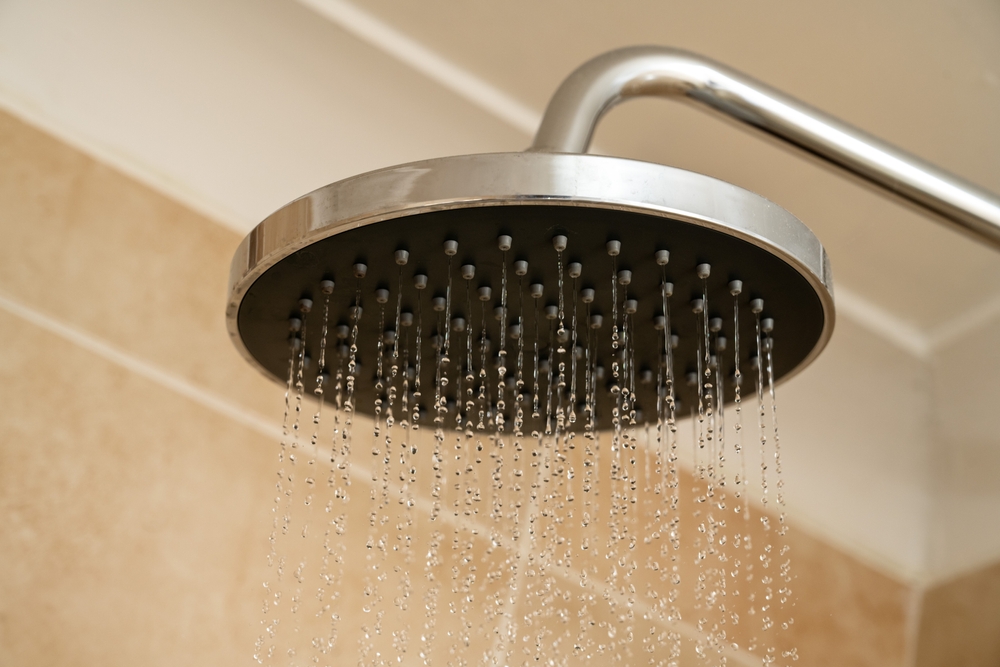
Watering your garden or washing your car uses water, but it shouldn’t suddenly double your water bill. If you’ve opened your latest utility bill and wondered why your water bill is so high, a hidden plumbing problem could be the culprit. Learn the most common causes of a high water bill, and explore why most of these issues can be detected and repaired by a professional plumber.
Rule Out the Simple Explanations First
If your water bill suddenly increased, it doesn’t always mean a plumbing emergency. Sometimes there’s a simple explanation for a hike in your utility costs.
Changes from your provider
If your provider has recently made a change to utility rates or to the way your utilities are billed — for example, overall use versus time-of-use rates — you might notice a sudden rise in your utility bill. Your provider may also have switched to a longer billing cycle, so your bill may look high because it covers a longer period, even though you haven’t changed your water use.
Changes in your household
Extra guests or a new household member means more showers, more dishes, and more use of your water system. Other seasonal activities, like filling a pool or doing seasonal irrigation, can add to your water bill, as can new appliance installations for washing machines and dishwashers.
The Most Common Plumbing Causes of a High Water Bill
These household plumbing issues are some of the most common causes of a high water bill.
Running or silently leaking toilets
A running or silently leaking toilet is one of the most common causes of a high water bill, and also one of the most subtle. If your toilet has a worn or broken flapper or fill valve, water can run continuously from the tank into the bowl, using gallons a day. Since a running toilet doesn’t leave visible puddles on the floor, toilet issues can go unnoticed until they show up on your water bill.
Dripping faucets and showerheads
While each drip from a leaky faucet or showerhead is a tiny amount, it can quickly add up to gallons a day in water loss. If you hear a drip anywhere in your home, call a plumber promptly to reduce the impact on your water bill.
Leaking water heater or relief valve
Your water heater’s pressure relief valve is an essential safety feature that releases excess heat and pressure to keep your water heater running properly. However, if there’s a leak in the relief valve, it can continuously drip water. Older or damaged water heaters may also drip from the tank, creating a sneaky source of a high water bill.
Irrigation and sprinkler leaks
An irrigation or sprinkler system can keep your lawn and garden looking green, but leaks can also lead to hidden water bill costs. Temporarily unplugging your irrigation or sprinkler system can help determine whether an irrigation leak is the source of the problem.
Hidden leaks in walls, ceilings, or under the slab
A burst or leaking pipe in your walls, ceilings, or under the slab foundation can release significant amounts of water while going unnoticed for a long time. A sudden spike in your water bill is often one of the first signs of a hidden leak in your home.
Broken service line between the meter and the house
If there’s a break in the service line between your water meter and your home, your water meter will register all the leaking water even though it never reaches your house. Since this line is underground, it can lose a significant amount of water without clear signs beyond high water bills.
How To Check for a Leak Yourself
Learn how to check for a water leak with these simple tests for detecting a hidden water leak at home.
Water meter test
The water meter leak test helps you determine whether there’s a leak or break in the service line between your water meter and your home. Start by turning off the main water valve in your home, then check your water meter. If the dial or arrow on your water meter keeps moving even though your home isn’t using any water, water is being lost somewhere between the meter and your home.
Toilet dye test
The toilet dye test helps catch a problem with your flapper or fill valve. Drop a small amount of food coloring into your toilet tank and let it sit without flushing for 30 minutes to an hour. If you see any food coloring in the bowl, you may have an issue with the flapper or fill valve that’s letting water run from the tank into the bowl.
Signs of a leak
Depending on the location and intensity of the leak, a hidden leak in your home may show up in a variety of ways. Keep an eye on the common signs, including damp spots, cracks, or warm floors, which can indicate a hidden slab leak. Dripping sounds inside your walls, floors, or ceiling, peeling paint or stains on your walls, or a musty smell indicating mold or mildew growth are other common signs of hidden leaks.
What a Plumber Looks For During a Leak Inspection
If you suspect a leak in your home, calling a licensed plumber promptly is the best way to minimize water loss and reduce the risk of water damage. When your plumber arrives for leak detection in Niceville, they’ll conduct several tests and checks. A fixture-by-fixture check involves examining individual fixtures and appliances in your home to make sure everything is running properly. They may also use tools like acoustic and thermal leak detectors to find hidden leaks, or a sewer drain camera to inspect the inside of your pipes.
Why Florida Homes Are Prone to Hidden Leaks
Florida’s climate makes for beautiful days on the beach, but it also comes with hidden challenges for your plumbing. Most Florida homes are built on concrete slabs that sit on top of sandy soil. This soil is prone to shifting, which can stress the foundation and any plumbing lines built into it or buried underground.
The high heat and humidity can corrode pipes and fixtures, while intense storms and flooding can put extra stress on your service lines. Scheduling annual plumbing maintenance with a licensed plumber can help catch problems like slab leaks early and reduce the risk of a hidden leak in your Florida home.
Fixing the Leak and Lowering Your Bill
The first step to lowering your water bill is calling a professional plumber who can identify and repair the cause of the leak. Depending on the problem, they may recommend a targeted pipe repair or repiping for a section of your home.
Once the leak is fixed, contact your utility provider to ask about their leak adjustment policy. Some providers may offer a credit if you provide proof of the leak repair, such as a paid plumbing receipt or other official documentation.
Schedule Leak Detection and Repairs in Northwest Florida
Get your water bill back on track with residential and commercial plumbing leak detection and repair services from the experts at Tru Plumbing and Gas. We serve Northwest Florida, including Okaloosa, Walton, Santa Rosa, and Bay Counties, so you’ll always know who to call with a plumbing concern. Contact us today to learn more about our leak detection services and schedule your appointment.
Author Info

