



Signs Your Water Heater Is About to Fail Before the Holidays
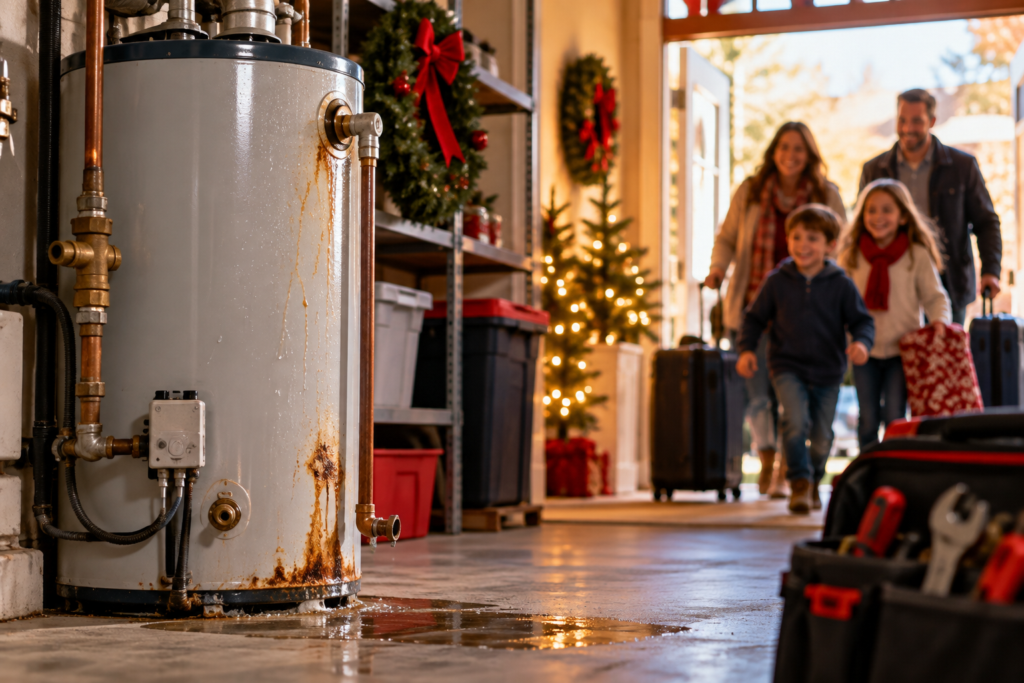
Water heater repair is easier to schedule on a quiet October afternoon than on the morning your in-laws arrive in Niceville for the holidays. Many problems develop gradually, and the warning signs your water heater is failing can be easier to spot once you know what to look for. A few minutes of attention now can save your family from cold showers and a soaked garage floor.
Signs Your Water Heater May Be About to Fail
No single symptom means your water heater is done for. These warning signs do deserve attention, though, especially when more than one shows up together.
Inconsistent or insufficient hot water
Showers that turn lukewarm halfway through, or a tank that empties faster than it used to, suggest something is changing. Sediment, a worn heating element, or a tired thermostat are common causes. If your hot-water demand has increased, your old tank may no longer be able to keep up.
Water taking longer to heat
A unit that needs more time to recover between showers is working harder for the same result. Gas models may have burner, ignition, or gas-supply problems, while electric models can develop issues with their heating elements or thermostats.
Leaks or moisture around the unit
A slow leak can damage a garage floor, utility closet, ceiling, or other nearby building materials. A plumber who handles water leak repair can tell you whether the moisture comes from the heater or a nearby line.
Popping, rumbling, or unusual noises
Popping or rumbling usually means sediment on the tank bottom is trapping steam bubbles. Sediment and mineral deposits can accumulate at the bottom of a tank and interfere with efficient heating. Over time, heavy buildup can contribute to premature tank failure.
Rusty or discolored hot water
Rusty or cloudy water that appears only at hot taps can indicate corrosion inside the water heater. Water chemistry can vary by property and water source, so persistent discoloration is worth a professional inspection.
Changes in water temperature
Water that swings between scalding and lukewarm, or never reaches your setting, can be a sign your water heater is failing. It can also point to a faulty thermostat or a failing heating component.
An aging water heater
Tank-style water heaters commonly last about 8 to 12 years, although lifespan varies with water quality, maintenance, installation, and use. The rating plate or manufacturer information can help determine the unit’s age. If you’re constantly calling for repairs, you may be due for a water heater replacement.
Rising energy costs or declining efficiency
A utility bill that creeps up with no change in habits can mean the heater is running longer to do the same work. Because water-heating costs also depend on household usage, water temperature, equipment condition, and energy prices, an unexplained increase is a reason to have the system checked rather than a definitive sign that the water heater is failing.
Why Water Heater Problems Can Show Up During the Holidays
Holiday weeks put a different kind of strain on a home. Overnight guests in Florida mean back-to-back showers. Cooking, dishes, and laundry all pile onto the same days. A tank that handled four people in October may struggle with eight, and the extra demand can expose problems that were already developing.
A December cold snap lowers incoming water temperature too, which makes the heater work harder. Rental owners and small businesses feel this even more, and commercial plumbing services can address the needs of higher-demand systems.
What to Do if You Notice These Warning Signs
Start with a calm, quick check. These steps give you useful information before you call to schedule water heater repair.
- Write down which symptoms you notice and how long they have been happening.
- Look around the base, the fittings, and any ceiling below an attic unit for moisture or rust.
- Check the temperature setting if you can do so safely, but leave gas controls, pilot problems, and other combustion issues to a qualified professional.
- Find the age of the unit on the label.
- Leave gas lines, wiring, and the relief valve to a professional.
Water Heater Repair vs. Replacement
Water heater repair usually makes sense when the unit is fairly young, the tank is sound, and the problem is a part such as a thermostat, element, or valve. Water heater replacement becomes the better call when the tank leaks, rust is advanced, or repairs keep stacking up. If you notice multiple signs your water heater is failing, a right-sized replacement could be the smart call.
Some homeowners use that moment to consider switching to a tankless water heater, which heats on demand and can suit busy households. If cost gives you pause, financing can spread out the payment over time.
When a Water Heater Problem Is an Emergency
Most warning signs leave time to schedule service, but a few do not. Treat these situations as urgent reasons to call an emergency plumber.
- Water is pouring from the tank or a burst connection.
- There is a lingering gas smell.
- Steam, hissing, or scalding water is coming from the relief valve.
- You notice scorch marks or soot.
- The circuit breaker keeps tripping.
For an active leak, shut off the water supply to the tank if you can do so safely, and stay clear of hot water or electrical hazards.
How to Prepare Your Water Heater for Holiday Guests
A little preparation goes a long way before the house fills up.
- Schedule an inspection and tank flush to clear sediment and check the anode rod.
- Have a plumber inspect the temperature-and-pressure relief valve.
- Clear storage away from the unit.
- A 120°F setting is commonly recommended to reduce scald risk.
- Stagger laundry, dishwasher loads, and showers on busy days.
Tru Plumbing & Gas provides plumbing memberships for homeowners who want to plan for routine maintenance.
When to Call a Plumber
Call when you notice any of the above warning signs that your water heater is failing. One symptom alone may be minor, and a quick inspection from a plumber can confirm that. Tru Plumbing & Gas provides service throughout Niceville and the rest of Okaloosa, Walton, and Santa Rosa counties.
Get Your Water Heater Checked Before the Holiday Rush
Don’t wait for a cold shower to find out how your water heater needs help. Tru Plumbing & Gas provides inspections, repairs, and water heater replacements for homeowners across the Florida Panhandle. Contact us today and head into the holiday season with hot water you can count on.
Frequently Asked Questions
How can I tell if my water heater is going bad?
Watch for changes in how fast the water heats, how hot it gets, and how it looks or sounds. A plumber can confirm the cause with a quick inspection.
Why am I suddenly running out of hot water?
Sediment buildup, a failed heating element, or a faulty thermostat are frequent causes. A household that has grown beyond what the tank was sized for can do it too.
Do strange noises mean my water heater is failing?
Not always. Popping or rumbling often points to sediment, which a flush may resolve. Persistent noise on an older unit deserves an inspection.
Is a leaking water heater an emergency?
An active leak from the tank or a burst connection is urgent. Shut off the water supply and call a plumber right away. Even a slow drip should be checked soon.
Should I have my water heater checked before holiday guests arrive?
Yes, especially if the unit is older, showing warning signs, or struggling to keep up with household demand. A pre-holiday inspection can identify problems before extra demand exposes them.
Author Info

