



Hidden Water Leaks That Can Drive Up Your Florida Summer Water Bill
Between the heat, humidity, and steady parade of houseguests, your water usage naturally increases in summer, but what if your bill is climbing faster than your usage can explain? Hidden water leaks are among the most common reasons Florida homeowners see shocking water bills. In a state where soil shifts, pipes age, and the weather can stress your plumbing from multiple directions at once, reliable water leak detection in Florida is a must-have.
Why Water Bills Increase in Florida Summers
Florida summers put real demand on your plumbing system. During the summer months, many households here are running irrigation systems more frequently to keep lawns alive in the heat. Pools lose water to evaporation and splash. Guests tend to increase water use through more showers, more laundry, more dishes. All of that adds up.
When those increases seem reasonable, you’re probably fine. But when your water bill jumps well beyond what your habits can account for, hidden water leaks are often the real culprit.
Common Hidden Water Leaks in Florida Homes
Not all leaks announce themselves with a drip you can hear or a puddle you can see. The first step in knowing how to find a water leak in your home is knowing where to look.
Slab leaks
A slab leak occurs when a pipe running beneath your concrete foundation develops a leak. Slab leaks are relatively common in Florida due to sandy soils, moisture fluctuations, corrosion, and high water pressure. Slab leak symptoms in Florida homes often include warm spots on tile or hardwood floors, the sound of water running when everything is turned off, and unexplained wet patches near the base of walls.
Underground pipe leaks
The water line running from the meter to your home can develop leaks without showing any obvious surface signs. Tree roots, aging pipes, and soil movement are frequent offenders in Florida. Underground water leak signs are easy to miss, like greener grass along one path through the yard. By the time you can clearly see these symptoms, water has often been leaking for a while.
Irrigation system leaks
A broken sprinkler head or cracked valve can release hundreds of gallons before you ever notice. Irrigation leaks are a common cause of high water bills in summer. Because the system runs while most people are asleep, and the water soaks into the ground or evaporates quickly in the heat, leaks can go undetected for weeks or even months.
Pool plumbing leaks
Pools have plumbing running underground to filtration systems, return lines, and skimmers. When those lines crack or seals wear out, water escapes into the surrounding soil. Because pool owners are accustomed to refilling their pools regularly, a slow leak in the underground pool lines can be mistaken for normal evaporation.
Hidden indoor leaks
Behind bathroom walls, under kitchen sinks, and beneath appliances, slow leaks can persist for months without being seen. These are especially problematic because the water stays trapped, feeding mold growth and weakening structural materials long before the damage becomes visible.
Signs You May Have a Hidden Water Leak
The sooner you recognize the signs of hidden water leaks, the sooner you can stop the damage.
- Unexplained spike in water bills, despite normal usage habits.
- The constant sound of running water.
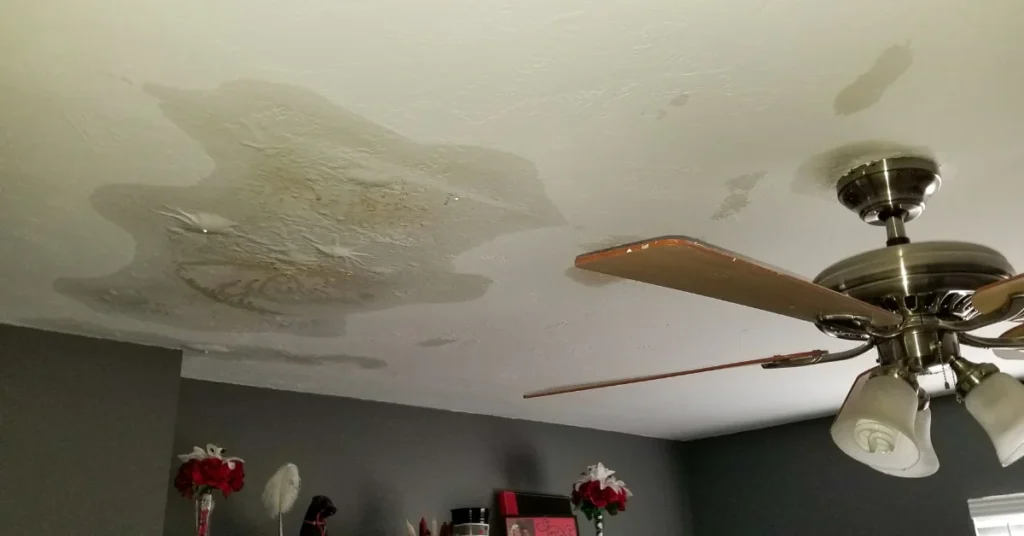
- Damp or discolored spots on floors, walls, or ceilings.
- Mold or mildew growth in areas that shouldn’t be damp.
- Consistently low water pressure.
- Warm spots on floors, indicating slab leaks.
- A water meter that keeps running when no water is being used.
How to Check for a Hidden Water Leak
Here’s how to find a water leak in your home:
- Step one: Turn off every water fixture and appliance in your home.
- Step two: Check your water meter and note the reading.
- Step three: Don’t use any water for at least 30 minutes.
- Step four: Check the meter again. If it has moved, water is flowing where it shouldn’t.
- Step five: Monitor water usage overnight and compare your meter reading in the morning.
- Step six: Visually inspect your home, checking under sinks, around toilet bases, behind appliances, and along baseboards.
- Step seven: Look outside, checking for unusually green or soggy areas of lawn.
- Step eight: Inspect sprinkler heads for damage or pooling water around the base.
Why Hidden Leaks Are Worse in Florida
Florida’s climate and soil conditions create an unforgiving environment for plumbing systems. The intense summer heat causes pipes to expand and contract repeatedly, wearing down joints and connections. Pipes can deteriorate faster in Florida due to corrosion, humidity, and soil conditions. High humidity means mold can take hold within days.
Heavy seasonal rainfall shifts the sandy soil throughout the Florida Panhandle, putting stress on underground pipes and slab foundations. And, because water usage is elevated year-round, the gradual rise from a leak can be harder to notice against an already-higher baseline.
When to Call a Professional Leak Detection Service
You’ll know it’s time to call your local Florida plumber when you:
- Can’t find any visible source of the leak.
- Experience slab leak symptoms or suspect an underground line is involved.
- Continue to get high water bills despite your own checks.
- Start seeing signs of structural damage or widespread moisture in your home.
At that point, the risk of waiting or guessing is too high. The longer a slab or underground leak runs, the more damage it causes, and the more expensive the repair becomes.
Professional Leak Detection vs DIY
Without specialized equipment, DIY efforts are largely limited to surface-level detection, like visible moisture and basic meter tests. Our professional leak detection services use advanced diagnostic tools, including acoustic listening devices, thermal imaging cameras, tracer gas, and moisture sensors, to pinpoint problems without tearing up your home.
This approach means we find the leak precisely, stay as non-invasive as possible, and get you back to normal faster than any trial-and-error approach could. Plumbing leaks increasing your water bill aren’t always where you’d expect them. Professional water leak detection finds the source, not just the symptoms.
How Fixing Leaks Saves You Money Long-Term
The upfront cost of professional leak detection and repair pays for itself quickly. Once a leak is fixed, your monthly water bills drop back to normal. More importantly, you avoid costly structural repairs, mold remediation, and damage to drywall, insulation, and cabinetry. Fixing leaks also improves the overall efficiency and pressure of your plumbing system, extending the life of fixtures and appliances.
Stop the Leak Before It Empties Your Wallet
The longer signs of hidden water leaks go undetected, the higher your bills climb and the more damage builds up behind your walls. If your summer water bill seems higher than it should be, that’s a sign worth following up on.
Tru Plumbing and Gas offers non-invasive water leak detection throughout Northwest Florida. Contact us today to schedule an inspection and find out exactly what’s going on in your plumbing system.
Frequently Asked Questions
How much can a hidden leak increase my water bill?
Even a relatively small leak can add hundreds of dollars to your water bill over the summer. Just 10 drips per minute can waste 90 gallons of water per month.
Are slab leaks common in Florida?
Slab leaks are relatively common in Florida due to sandy soils and moisture fluctuations that cause consistent ground movement. The combination of heat, humidity, and corrosion also accelerates wear on underground pipes.
Can irrigation leaks really impact my bill that much?
A single broken sprinkler zone can waste 25,000 gallons per year. Because irrigation systems run automatically, often overnight or in the early morning, these leaks can go unnoticed far longer than indoor leaks.
Will homeowners insurance cover leak damage?
It depends on your policy and the cause of the leak. Many policies cover sudden and accidental water damage, but gradual leaks or those from deferred maintenance are less likely to be covered.
Author Info

