



Can Heavy Rain Damage Underground Plumbing?
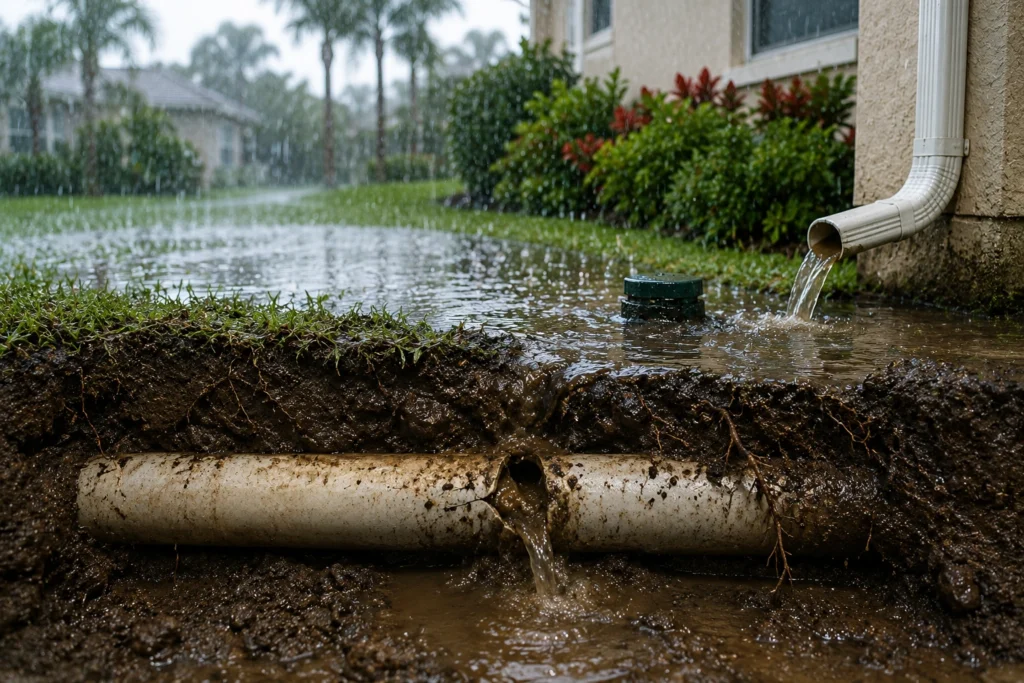
Many Florida homeowners wonder: Can heavy rain damage my underground plumbing? Heavy rainfall can contribute to underground plumbing problems, especially when the soil becomes saturated or an existing pipe is already cracked, damaged, clogged, or weakened. Heavy rainfall can cause soil to shift and contribute to sewer and drain backups, groundwater intrusion, and worsening leaks in compromised underground pipes.
Rain alone won’t necessarily cause a healthy underground pipe to suddenly fail, but heavy rain can reveal or worsen an existing plumbing problem. The experienced plumbers at Tru Plumbing & Gas explain how and why heavy rain can impact the underground plumbing in your Florida home.
Why Heavy Rain Can Be Hard on Underground Plumbing in Florida
Torrential rain is common in Florida, especially along the Emerald Coast and Florida Panhandle, where periods of intense rainfall and thunderstorms occur often. Large amounts of rain can quickly saturate the soil surrounding sewer and water lines buried underground. Depending on your soil, drainage, pipe condition, and surrounding infrastructure, this saturation can add stress to underground plumbing or expose pre-existing weaknesses.
Here are six reasons why heavy rain can affect underground plumbing in Florida.
1. Saturated soil can shift around underground pipes
When soil absorbs a large amount of water, it becomes saturated and can change the structure of the ground. If the ground around your underground plumbing gets soaked, it may put additional pressure on the pipes or cause them to shift. Rainfall typically contributes to underground pipe damage rather than being the sole cause.
Saturated soil tends to have the most significant impact on pipes that are:
- Older
- Corroded
- Already cracked
- Poorly supported
- Improperly installed
- Previously damaged
2. Heavy rain can contribute to sewer and drain backups
Some Florida homeowners may notice drain problems during or immediately after heavy rainfall. Depending on your plumbing and sewer system, clogged drains after heavy rain can occur when they become overloaded or when excessive rain exposes an existing blockage. Drain backups involving multiple fixtures in your home usually indicate a problem further down the drainage system rather than a single, isolated sink, tub, or toilet clog.
Signs of a possible sewer/drain backup include:
- Multiple slow drains.
- Toilets making bubbling or gurgling noises when flushed.
- Water backing up into tubs or showers.
- Strong sewage odors emanate from drains.
- Toilets not flushing normally.
- Wastewater appearing at low-level drains.
3. Rainwater can enter damaged sewer lines
Underground sewer pipes should be closed systems designed to block harmful gases and safely contain wastewater. Issues like cracks, deteriorated pipes, separated joints, and other defects can allow groundwater to get inside the line. Groundwater entering a compromised pipe may increase the risk of heavy-rain sewer problems during prolonged rainfall.
The following recurring rain-related drainage problems should prompt a professional sewer/drain inspection:
- Reduced drainage capacity
- Recurring backups
- Slow drains
- Gurgling noises
- Sewer odors
4. Existing underground leaks can get worse
A small underground plumbing problem may become more noticeable following severe weather. Changes in the surrounding soil or increased moisture can make it harder to identify where the water is coming from. Scheduling a professional diagnosis is recommended to help determine whether you have a plumbing leak from ordinary stormwater.
Potential signs of an underground plumbing leak include:
- Unexplained wet areas after the surrounding ground has dried.
- Persistently soggy or unusually lush, green sections of the yard.
- Unexplained water usage accompanied by low water pressure.
- Higher-than-usual water bills with no significant change in usage.
5. Tree roots can exploit existing cracks in sewer lines
A common Florida plumbing problem is tree root intrusion. As trees mature, the roots seek moisture and nutrient-rich soil found near existing cracks in sewer lines, loose joints, or other access points. If you already have heavy rain-related plumbing problems, particularly with your drains, tree root intrusion can become more noticeable.
Once tree roots get inside your sewer lines, they can continue to grow and make signs of underground pipe damage more noticeable, such as:
- Slow drainage.
- Recurring clogs at multiple drains.
- Sewer backups and foul sewage odors.
- Soggy, soft spots in your yard.
6. Debris and stormwater can contribute to drainage problems
Storms can move leaves, sand, soil, and other debris around your property, causing drainage issues and other plumbing problems after heavy rain. Depending on your drainage system and plumbing configuration, this may cause problems with exterior residential or commercial drains, or expose pre-existing, underlying drainage issues.
Your storm drain carries rainwater and surface runoff from places like your roof and driveway and moves it into local waterways. Municipal sanitary systems carry wastewater from indoor fixtures (toilets, tubs, appliances, etc.) and route it to a municipal wastewater treatment plant to be sanitized before release.
What Are the Signs of Underground Plumbing Damage After Heavy Rain?
Although heavy rain can certainly damage underground plumbing, not every plumbing or drainage issue automatically proves that you have underground pipe damage. A professional inspection can help you identify whether the problem is inside your home, underground, or related to another drainage issue.
Look for these common signs of plumbing problems after storms:
- Multiple drains are slow at the same time
- Toilets start gurgling or making bubbling noises
- Strong sewage odors are inside the home
- Water starts backing up into tubs or showers
- Unexplained wet or soggy areas in your yard
- A noticeable reduction in water pressure
- An unexplained increase in your monthly water bills
- Your water meter still shows activity when all fixtures are off
- Recurring drain problems whenever it rains
Why Do My Drains Back Up Every Time It Rains?
If your drains repeatedly slow down or back up every time it rains, an existing sewer line problem may be allowing groundwater into the system or restricting the pipe’s capacity. Cracks, tree root intrusion, partial blockages, deteriorated piping, or other sewer line problems can become more noticeable during periods of heavy rainfall. Schedule a professional plumbing inspection if the issue continues.
Can Heavy Rain Cause a Slab Leak?
Heavy rainfall alone is not typically the direct cause of a slab leak or underground water line leak. If you experience significant soil movement or changes around your foundation, it can put additional stress on the plumbing underneath your slab, which might already be vulnerable. If you notice your floors feel warm, you detect increased indoor moisture with no explanation, your water bills are higher than normal, or you see unusual water meter activity, we recommend scheduling professional leak detection.
How Can a Plumber Diagnose Underground Plumbing Problems?
Experienced plumbers can accurately diagnose underground plumbing problems. A professional diagnosis is especially useful after heavy rainfall because standing water or saturated soil can make the source of the moisture more difficult for homeowners to visually identify. The appropriate diagnostic method a plumber utilizes depends on the symptoms you experience and the suspected pipe location.
Some of the methods plumbers may use include:
- Whole-home plumbing system inspection.
- Water meter testing.
- Pressure testing.
- Drain/sewer camera inspection.
- Leak detection equipment.
- Standard sewer line inspection.
What Should I Do If My Plumbing Backs Up During Heavy Rain?
If sewage is entering your home, it’s an urgent issue that requires assistance from a professional plumber. Here’s what to do if you experience a plumbing or sewer backup after heavy rain:
- Stop using unnecessary water inside the home.
- Avoid using chemical drain cleaners for suspected main-line problems.
- Avoid repeatedly flushing toilets or running drains that are backing up.
- Keep people and pets away from wastewater or sewage.
- Note which fixtures are affected.
- If multiple fixtures are backing up or the problem continues, call a plumber for service.
Should I Call a Plumber If the Problem Goes Away After the Rain Stops?
A plumbing problem that disappears after the weather clears doesn’t necessarily mean that the underlying issue is resolved. Call a plumber for expert underground plumbing repairs if the issue has happened more than once.
Some common recurring symptoms associated with heavy rainfall may indicate:
- Partial sewer blockages.
- Cracked pipes.
- Tree root intrusion.
- Groundwater infiltration.
- Deteriorating underground piping.
How Can Homeowners Protect Their Plumbing Before Florida’s Next Heavy Rain?
Fortunately, homeowners can take some proactive steps to try to protect their plumbing before Florida’s next heavy rainfall:
- Address recurring slow drains immediately instead of ignoring them.
- Have repeated sewer problems professionally inspected.
- Repair known underground plumbing leaks.
- Keep up with routine plumbing maintenance.
- Watch for unexplained water usage.
- Watch for plumbing symptoms that repeatedly appear during storms.
- Address damaged or aging sewer lines when recommended.
Plumbing Problems After Heavy Rain? Call Tru Plumbing & Gas
Tru Plumbing & Gas is a top choice for homeowners throughout Florida’s Emerald Coast, including Santa Rosa Beach, Navarre, Crestview, and surrounding communities. We provide a range of services, including plumbing inspections, leak detection, drain cleaning, sewer line services, underground pipe repair, and more. If you notice plumbing symptoms during or after heavy rainfall, contact us to schedule service today!
Author Info

